60 Colchester Square #1, Kanata, ON K2K 2Z9



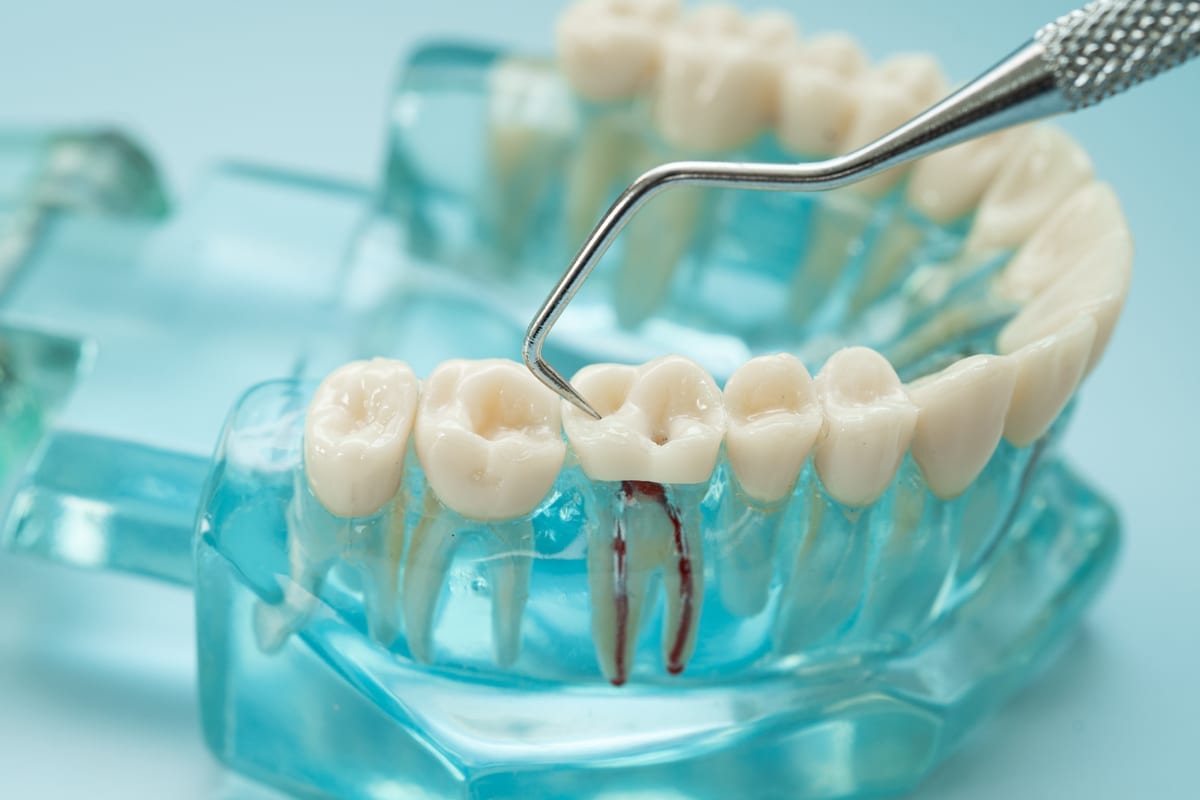
Understanding why your root canal needs a crown to actually work in Kanata is something many patients overlook. The root canal gets all the attention — but the crown is what completes the job. Without it, the treated tooth remains vulnerable and may not last. Dr. Allen Feng at Village Green Dental Care wants every Kanata patient to understand this critical next step.
What Happens to a Tooth After a Root Canal?
A root canal removes the infected or damaged pulp from inside your tooth. This process saves the tooth, but it also changes its structure significantly. The tooth becomes hollow and brittle once the pulp is gone. Think of it like a dried-out twig — it can snap under pressure far more easily.
During the procedure, your dentist accesses the inner canal through the crown of the tooth. This creates an opening that must be sealed properly afterward. A temporary filling is placed immediately, but that is never a permanent solution. It simply protects the tooth until your crown appointment.
Without the inner pulp supplying moisture and nutrients, the tooth loses some of its natural resilience. Everyday chewing forces — especially on back molars — put enormous stress on teeth. A brittle, unsupported tooth under that kind of pressure is at serious risk of cracking.
Why Your Root Canal Needs a Crown to Actually Work in Kanata
A dental crown acts as a protective cap that covers the entire visible portion of the tooth. It restores the tooth’s original shape, function, and strength. This is why why your root canal needs a crown to actually work in Kanata is such an important question to ask your dentist. Skipping the crown is one of the most common — and costly — mistakes patients make.
Here is what a crown does for a root canal-treated tooth:
- Seals the access point created during the root canal procedure
- Distributes chewing forces evenly across the restored tooth
- Prevents bacteria from re-entering and reinfecting the canal
- Protects the brittle tooth structure from cracking or fracturing
- Restores a natural appearance so you can smile with confidence
Without a crown, that temporary filling wears down over time. Bacteria find their way back in. The tooth may crack along the root, which often means extraction. A crown prevents all of this from happening.
What Happens If You Skip the Crown?
Some patients feel fine after their root canal and wonder if the crown is really necessary. The tooth no longer hurts, so it seems healed. But pain relief does not mean the tooth is structurally sound. The real risk shows up weeks or months later.
A tooth without a crown after root canal treatment faces several serious problems:
- Fracture: The unsupported tooth can crack under normal biting pressure
- Reinfection: Bacteria penetrate the temporary filling and re-contaminate the canal
- Tooth loss: A vertical root fracture almost always means the tooth cannot be saved
- Increased cost: Replacing a failed tooth costs significantly more than completing the crown
Dr. Allen Feng sees patients in Kanata who delayed their crown and ended up needing an extraction instead. The good news is this outcome is entirely preventable. Getting your crown placed promptly protects your investment in the root canal.
What to Expect at Your Crown Appointment in Kanata
Many patients feel anxious about the crown procedure after already going through a root canal. That concern is completely understandable. The crown appointment is generally much more straightforward than the root canal itself. Here is what typically happens at Village Green Dental Care.
Your first crown visit involves preparing the tooth and taking impressions. Dr. Feng will shape the tooth slightly so the crown fits properly over it. Digital impressions or traditional molds capture the exact dimensions of your bite. A temporary crown protects the tooth while your permanent crown is being crafted.
Your second visit — usually within a couple of weeks — involves placing the permanent crown. Dr. Feng checks the fit and your bite before cementing it securely in place. Most patients find this appointment quick and comfortable. Once placed, your crown can last ten to fifteen years or longer with proper care.
If dental anxiety makes any of these appointments feel overwhelming, Village Green Dental Care offers Sedation Dentistry Kanata patients trust to stay calm and comfortable throughout treatment. This option works well for adults and for families bringing younger members in for care. Our team also provides Childrens Dentistry Kanata families rely on for gentle, thorough treatment. We make every visit as stress-free as possible.
How to Care for Your Crown After Placement
A dental crown is durable, but it still requires consistent care. Treating it like a natural tooth is the best approach. Brush twice daily with a soft-bristled toothbrush and floss gently around the crown margin each day. This prevents plaque buildup at the gumline where decay can still form.
Avoid habits that put excessive force on your crown. Chewing ice, grinding your teeth, and using your teeth to open packaging all shorten crown lifespan. If you grind your teeth at night, ask Dr. Feng about a custom nightguard. Protecting the crown protects the entire root canal investment beneath it.
Regular checkups at Village Green Dental Care allow Dr. Feng to monitor the crown and the surrounding gum tissue. Catching small issues early prevents bigger problems down the road. Most patients on a standard cleaning schedule keep their crowns functioning well for many years.
Conclusion
A root canal saves a tooth — but a crown is what allows it to actually function long-term. Skipping or delaying the crown puts that saved tooth at serious risk. Dr. Allen Feng and the team at Village Green Dental Care are here to guide every Kanata patient through both steps with confidence and care. Book Now to schedule your appointment with our team.
Frequently Asked Questions
How soon after a root canal should I get a crown?
Most dentists recommend getting your crown within a few weeks of completing the root canal. The longer the temporary filling remains in place, the higher the risk of bacteria entering the tooth or the filling breaking down. Dr. Allen Feng will give you a specific timeline based on your individual case.
Does every tooth that has a root canal need a crown?
Most teeth that undergo root canal treatment do need a crown, especially back teeth like molars and premolars that absorb heavy chewing forces. Front teeth sometimes have more flexibility, but a crown is still strongly recommended in most situations. Dr. Feng will assess your specific tooth and advise accordingly.
Will a crown after a root canal hurt?
The crown appointment itself is generally well-tolerated and far less uncomfortable than the root canal procedure. Local anesthetic is used during tooth preparation to keep you comfortable. Mild sensitivity for a day or two after placement is normal and resolves quickly on its own.
How long does a crown last after a root canal?
A well-made crown placed over a properly treated tooth can last ten to fifteen years or longer. Longevity depends on oral hygiene habits, the forces placed on the tooth, and whether you attend regular dental checkups. Patients who care for their crowns consistently often see them last much longer.
What if my root canal-treated tooth cracks before I get the crown?
Contact Village Green Dental Care as soon as possible if your tooth cracks or you notice pain after your root canal. A crack can range from minor to severe, and early assessment is critical to determining whether the tooth can still be saved. Prompt action gives you the best possible outcome.